Aligning Design at Scale Across Fragmented Systems
Introducing a shared design foundation across products, teams, and technologies at Thomson Reuters.
ROLE
Senior UX Designer
ORGANIZATION
Thomson Reuters
TIMELINE
2019 - 2020
SCOPE
Enterprise design system across Legal + Tax
ENVIRONMENT
Angular, React, legacy systems
IMPACT
Led adoption of a shared design foundation across teams
CONTEXT
A complex ecosystem
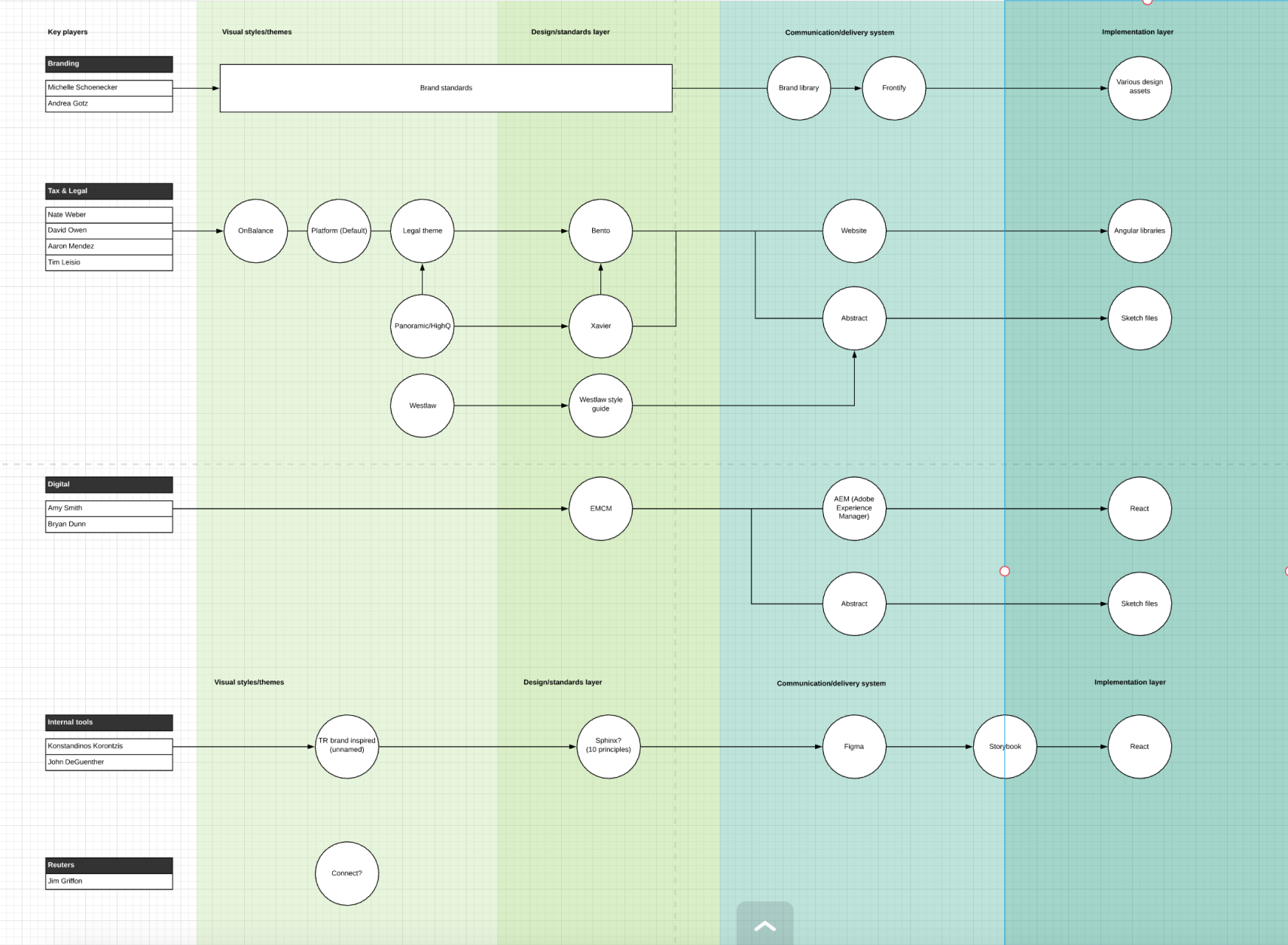
Thomson Reuters operated across multiple product ecosystems, each with its own design system, technology stack, and processes.
Started on a greenfield legal product, defining its visual language
Transitioned into scaling that system across products
Org shift: legal + tax design systems merged into one unified effort
TENSION
Everything worked, but nothing scaled
A stakeholder survey across product, technology, and leadership revealed systemic challenges:
Teams were duplicating work across products
Users experienced inconsistent interfaces
Development timelines were significantly longer than necessary
Cross-product experiences, and revenue opportunities, were at risk
The problem wasn’t how to align design systems, it was how to create a shared foundation for decisions across them
We needed to shift our design system ideology
TO
Methodology
People-focused
✅ Decisions
✅ Tokens
✅ Systems
FROM
Deliverable
Artifact focused
❌ Components
❌ Libraries
❌ Screens
APPROACH
Introduce a shared foundation
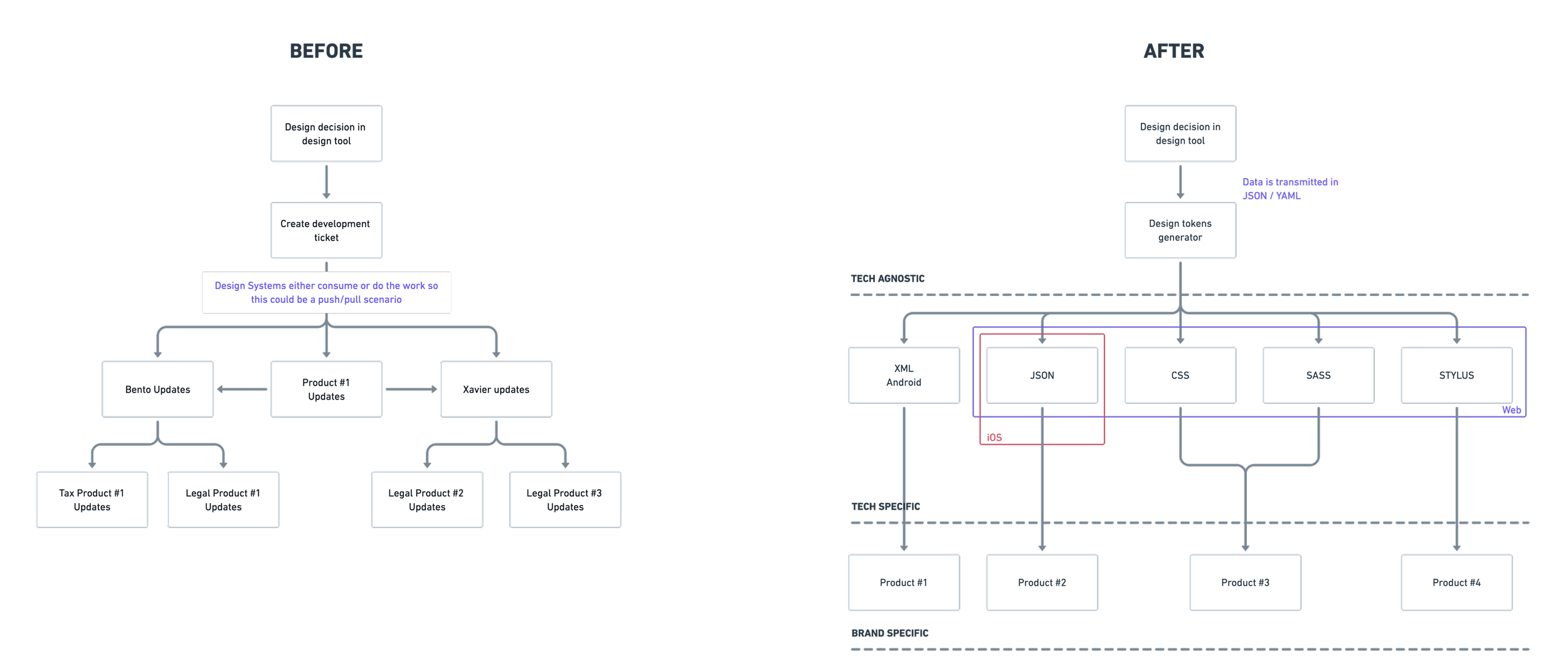
In a cross-functional workshop, I introduced design tokens as a way to align design and engineering through a shared system.
What tokens enabled
Shared language across teams
Consistency across technologies
Reduced duplication
Scalable foundation
DESIGNING THE SYSTEM
Structure, not screens
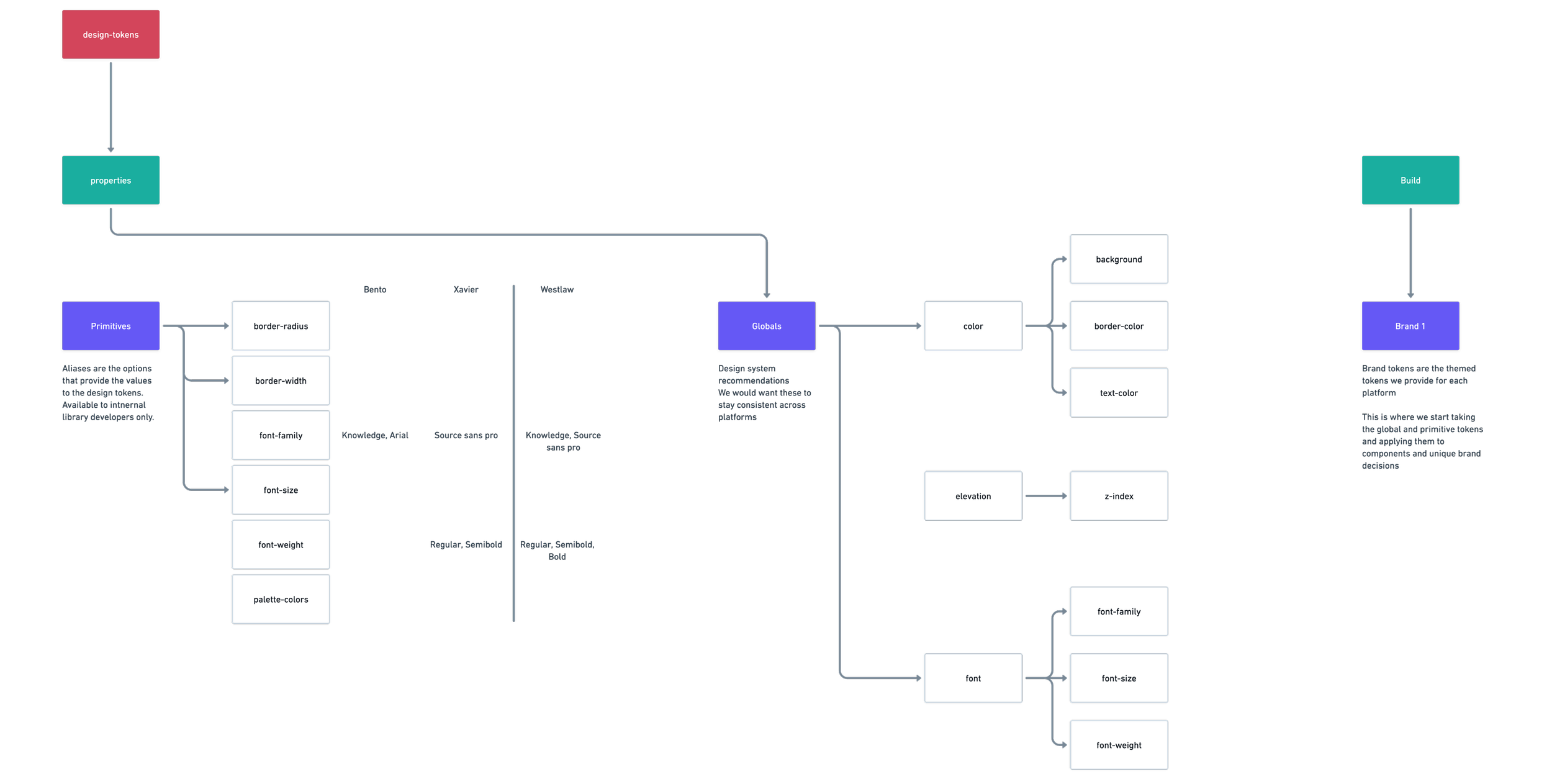
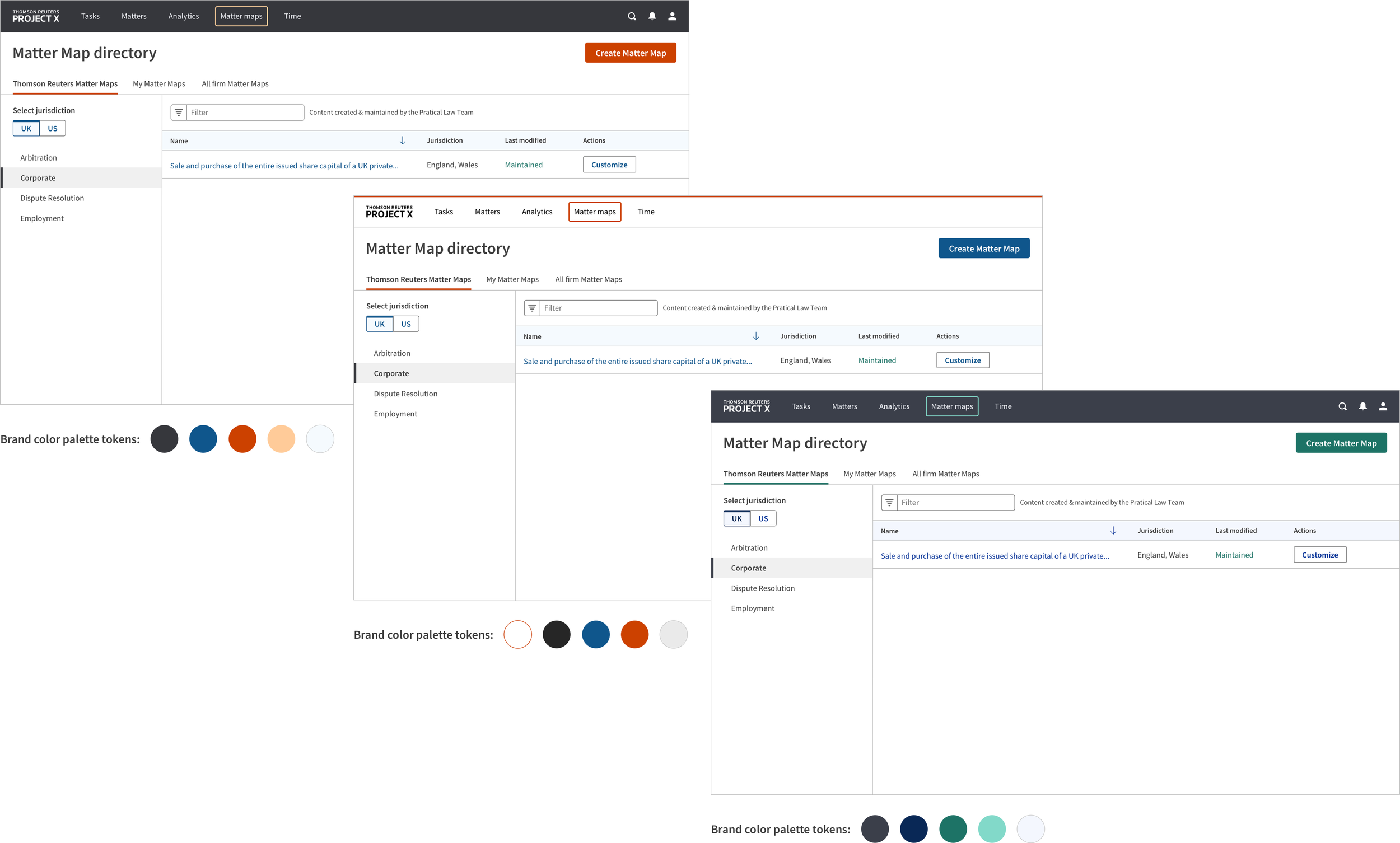
The system was designed to support multiple brands, products, and technologies.
Key elements
Token architecture (naming system)
Categories: color, spacing, typography
Support for:
brands
components
states
PILOT
Proving it works
To validate the approach, I partnered with two engineers in a 2-week pilot using a greenfield product.
Built token system in real environment
Aligned design + engineering
Tested scalability
Impact
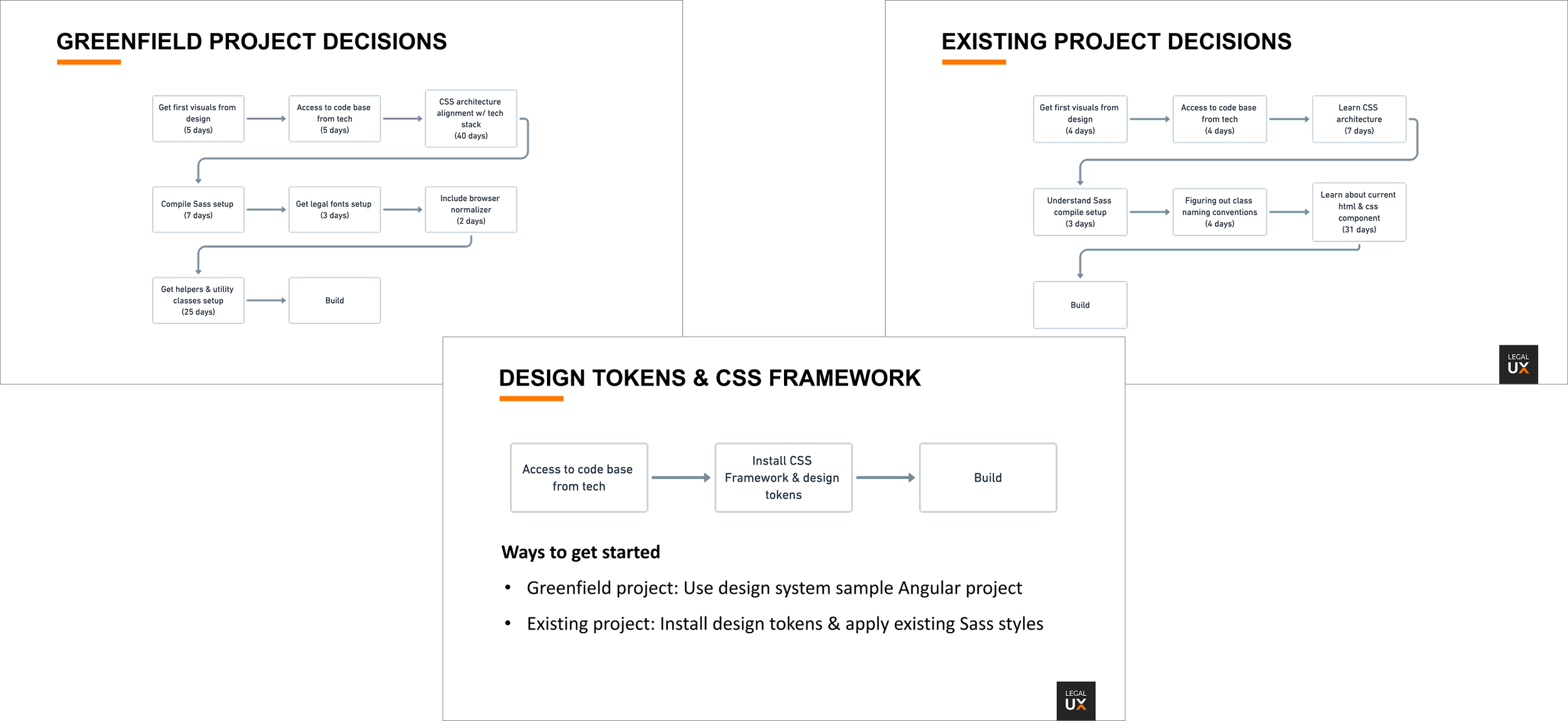
Time to design and ship a greenfield product feature
BEFORE DESIGN TOKENS
87 days
WITH DESIGN TOKENS
6 days
Time to design and ship an existing product feature
BEFORE DESIGN TOKENS
53 days
WITH DESIGN TOKENS
31 days
INFLUENCE & ALIGNMENT
Scaling adoption across the org
I led a cross-team roadshow to align stakeholders, build understanding, and drive adoption of a shared system. This work required influencing teams with different priorities, technologies, and workflows.
Roadshow across business units
Built shared language with engineering
Created Sketch library aligned to tokens
Supported rollout & onboarding
OUTCOMES
System-level impact
The introduction of design tokens created a scalable foundation across teams and products.
OUTCOME
PROBLEM
Shared system
Faster delivery
Aligned processes
Cross-product scaling
Inconsistent UX
Inefficient workflows
Fragmented teams
Limited scalability
Additional impact
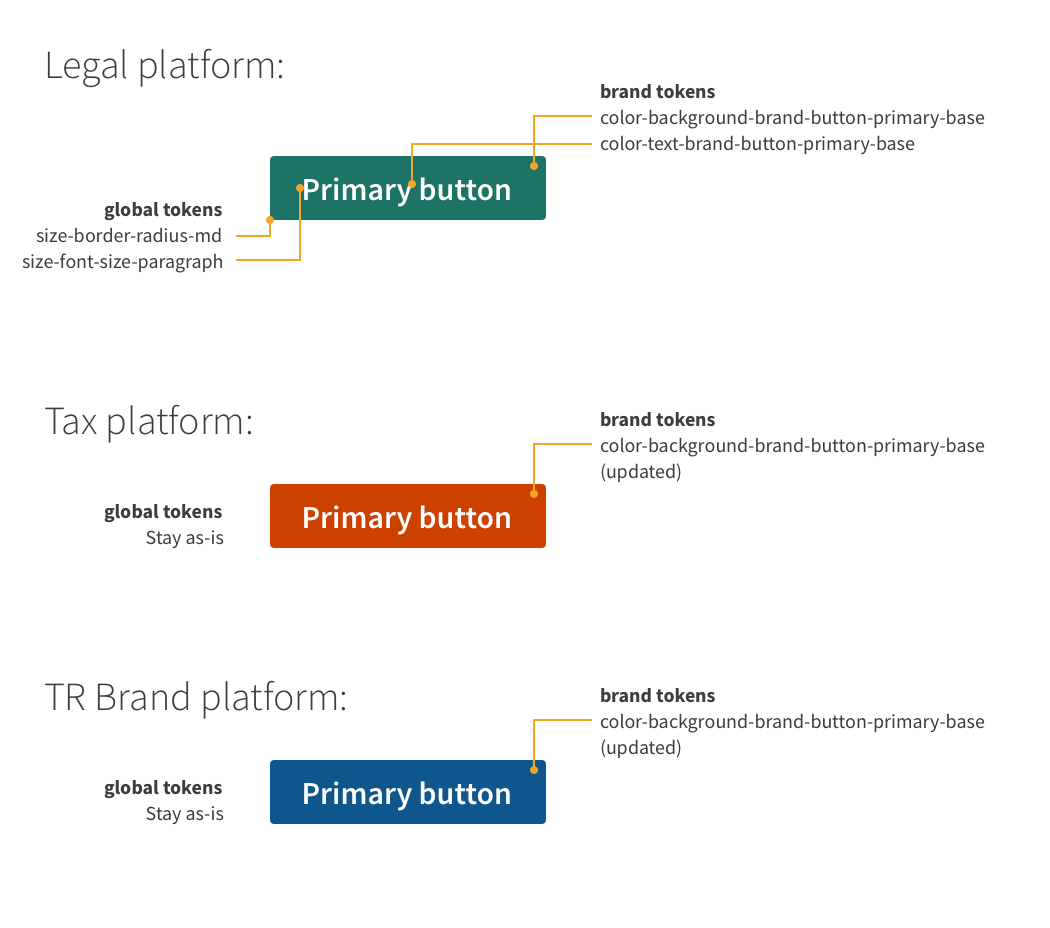
Cascading updates across systems
Reduced duplication & tech debt
Foundation for theming & future growth
REFLECTION
What this says about how I work
This work shifted my perspective on design systems, from building components to designing organizational infrastructure.
Key takeaways
Systems = people + process + tools
Adoption matters more than artifacts
Design systems are cross-functional work
Design systems are people-focused work
The hardest part of scaling design isn’t the system, it’s aligning people around it.